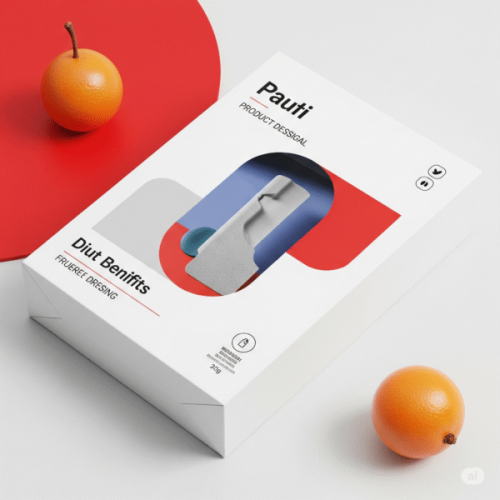
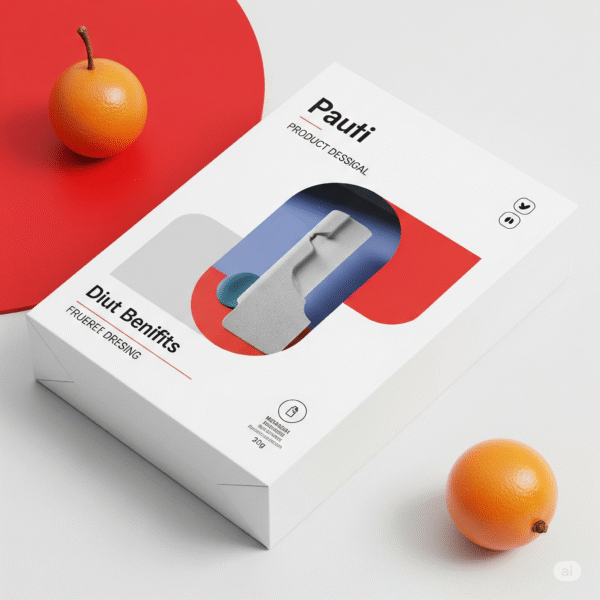
Packaging design goes far beyond visuals—it’s a marketing tool that can attract or repel potential buyers. In the competitive world of retail, your product’s first impression often decides its success. Key design principles include: Simplicity: Clean, focused layouts are easier to understand. Typography: Font style and size influence readability and mood. Color: Use color psychology—blue for trust, red for energy, green for health. Imagery: High-resolution graphics can tell your brand story instantly. For IML printing, design should account for mold shapes. Avoid placing key text in curved or distorted areas. Use dielines and templates to check alignment. Good design isn’t just beautiful—it communicates value, builds trust, and converts shoppers into customers. Investing in quality print and smart design is one of the most effective ways to grow your brand.
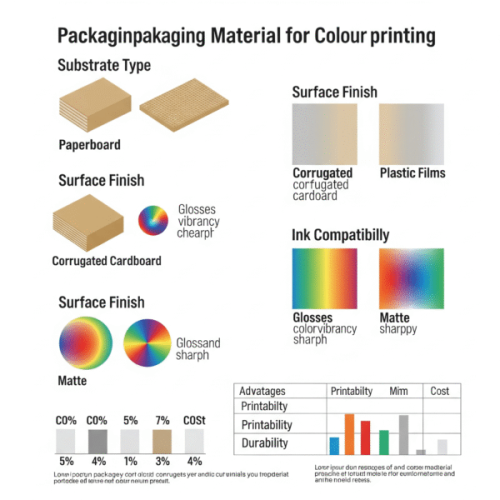
How to Choose the Right Packaging Material for Color Printing
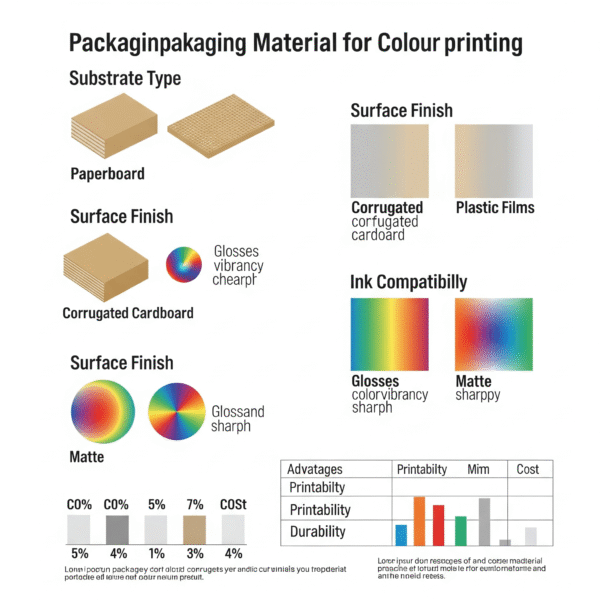
For IML, PP (Polypropylene) is the most common. It offers excellent compatibility with inks, heat resistance, and recyclability. If you’re printing directly on plastic, ensure the surface is pre-treated for ink adhesion. Paperboard is widely used for folding cartons. It’s eco-friendly and compatible with a variety of print methods like offset, flexo, and digital. Metallic films like PET give packaging a luxury feel, but require specialized printing to avoid smudging. Label finish also matters—matte gives a soft, modern look, while gloss enhances color vibrancy. Laminated labels add durability, especially in moist environments. Always consider product type, environmental impact, and shelf life when choosing materials for color printing. Choosing the right material is key to achieving vibrant and lasting print in packaging. Whether you’re using IML or other techniques, the substrate (material surface) plays a major role in final appearance. For IML, PP (Polypropylene) is the most common. It offers excellent compatibility with inks, heat resistance, and recyclability. If you’re printing directly on plastic, ensure the surface is pre-treated for ink adhesion. Paperboard is widely used for folding cartons. It’s eco-friendly and compatible with a variety of print methods like offset, flexo, and digital. Metallic films like PET give packaging a luxury feel, but require specialized printing to avoid smudging. Label finish also matters—matte gives a soft, modern look, while gloss enhances color vibrancy. Laminated labels add durability, especially in moist environments. Always consider product type, environmental impact, and shelf life when choosing materials for color printing. Choosing the right material is key to achieving vibrant and lasting print in packaging. Whether you’re using IML or other techniques, the substrate (material surface) plays a major role in final appearance. For IML, PP (Polypropylene) is the most common. It offers excellent compatibility with inks, heat resistance, and recyclability. If you’re printing directly on plastic, ensure the surface is pre-treated for ink adhesion. Paperboard is widely used for folding cartons. It’s eco-friendly and compatible with a variety of print methods like offset, flexo, and digital. Metallic films like PET give packaging a luxury feel, but require specialized printing to avoid smudging. Label finish also matters—matte gives a soft, modern look, while gloss enhances color vibrancy. Laminated labels add durability, especially in moist environments. Always consider product type, environmental impact, and shelf life when choosing materials for color printing. Choosing the right material is key to achieving vibrant and lasting print in packaging. Whether you’re using IML or other techniques, the substrate (material surface) plays a major role in final appearance. For IML, PP (Polypropylene) is the most common. It offers excellent compatibility with inks, heat resistance, and recyclability. If you’re printing directly on plastic, ensure the surface is pre-treated for ink adhesion. Paperboard is widely used for folding cartons. It’s eco-friendly and compatible with a variety of print methods like offset, flexo, and digital. Metallic films like PET give packaging a luxury feel, but require specialized printing to avoid smudging. Label finish also matters—matte gives a soft, modern look, while gloss enhances color vibrancy. Laminated labels add durability, especially in moist environments. Always consider product type, environmental impact, and shelf life when choosing materials for color printing.
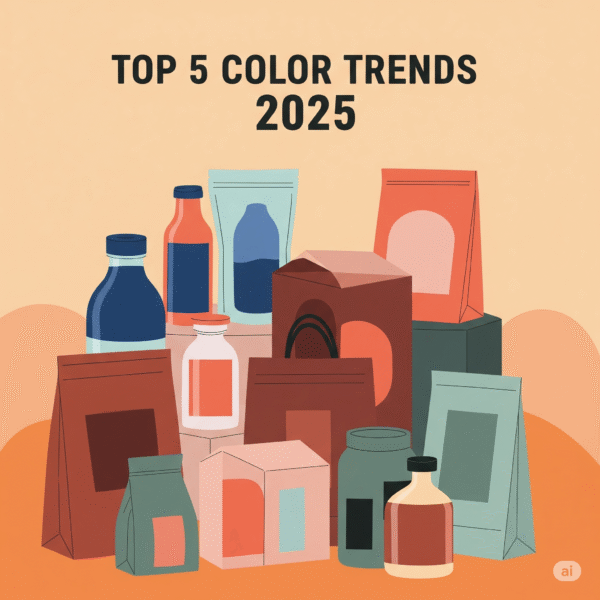
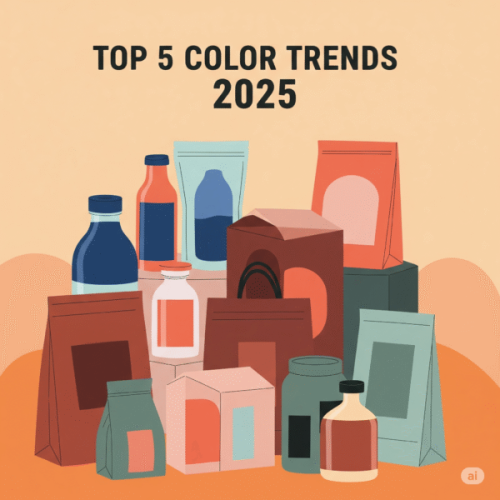
Top 5 Color Trends in Packaging Design for 2025
As we move through 2025, color trends in packaging design continue to evolve. The right color can drive customer interest, convey brand values, and even influence buying behavior. Here are the top 5 trending colors this year: Earthy Tones – Shades like terracotta, sage, and sand represent sustainability and calm. They’re popular among eco-conscious brands. Bold Neons – Neon pink, green, and orange grab attention and reflect energy. Ideal for sports, youth, and beverage packaging. Pastel Blues and Lavenders – These soft tones evoke trust and relaxation, perfect for health and skincare products. Matte Black – Associated with luxury and minimalism, matte black works well in high-end electronics or cosmetics. Metallic Foils – Gold, silver, and holographic finishes give packaging a premium, futuristic feel. Staying updated on color trends helps brands stay relevant and appealing. Combine these colors with quality printing for the best results.
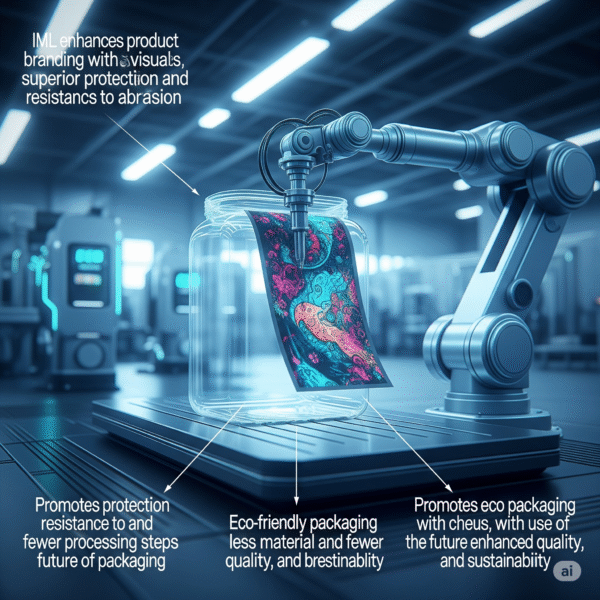
What is In-Mold Labeling (IML) and Why It’s the Future of Packaging
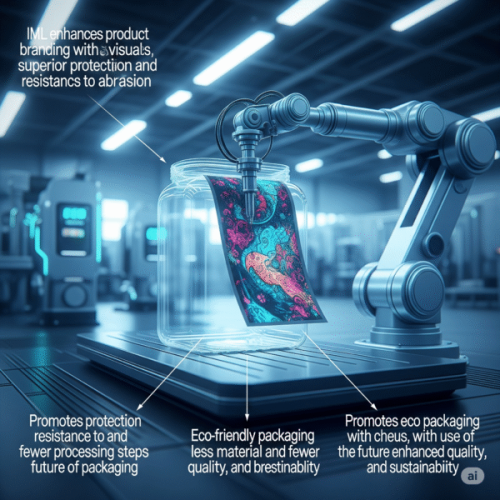
In-Mold Labeling (IML) is a modern packaging method where the label is embedded into the product during the molding process, rather than being applied afterward. This technique is increasingly popular due to its efficiency and premium finish. Unlike traditional labeling, IML combines the container and label in one step. It offers better adhesion, durability, and design possibilities. The result is a scratch-resistant, waterproof label that looks like it’s part of the product. IML is widely used in food containers, cosmetics, and household products. It supports full-color, high-resolution designs, and it’s 100% recyclable when used with mono-material packaging. From a production point of view, IML reduces labor costs, speeds up manufacturing, and provides long-lasting labels that don’t peel or fade. It also minimizes environmental impact, making it an eco-friendly packaging solution. In short, IML is not just a trend—it’s the future of smart and sustainable packaging.
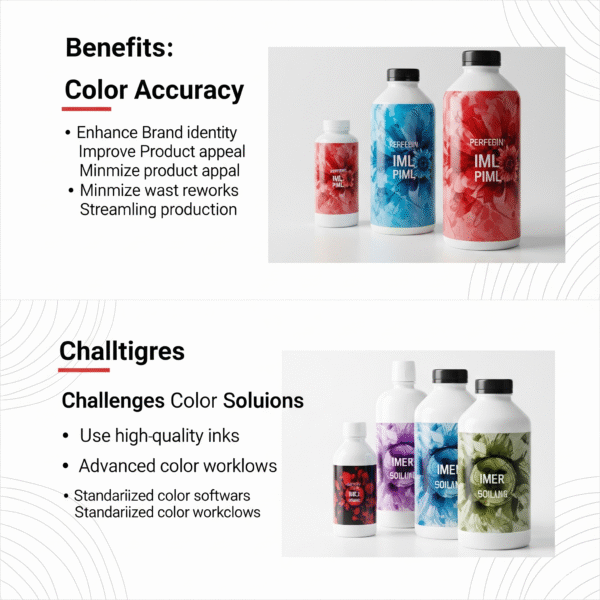
Color accuracy plays a crucial role in In-Mold Labeling (IML) printing
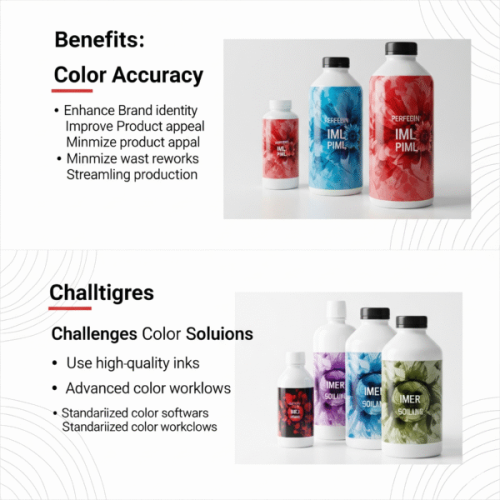
Color accuracy plays a crucial role in In-Mold Labeling (IML) printing. In the packaging industry, the colors you choose and how they appear can impact customer trust, brand identity, and overall product appeal. Color consistency is especially important for businesses that produce packaging in large quantities and across multiple product lines. IML printing is a process where labels are applied during the molding of plastic containers. This method ensures durability and a seamless look. However, if the colors are not accurately reproduced, it can create a mismatch between the brand’s intention and the final product. Printers must use calibrated color profiles and consistent printing conditions. CMYK (Cyan, Magenta, Yellow, and Black) values should be carefully managed to avoid color shifts. Proper lighting conditions and regular machine calibration also help maintain quality. Brands should also invest in color proofing tools to preview results before mass production. This prevents waste and ensures consumer satisfaction. In conclusion, achieving high color accuracy in IML printing improves brand consistency, customer satisfaction, and reduces errors and waste—making it a must for every packaging business.